Interview Series
5
min read
Interview: Perspectives on Gene Therapies and Genetic Medicines in Clinical Research
Over the past decade, genetic medicines have emerged as one of the most transformative areas in biomedical research, reshaping how diseases are understood and treated at their root cause.
Advances in RNA therapeutics, gene editing technologies, and targeted delivery systems have not only expanded the range of treatable conditions but also opened the door to more precise and personalized approaches to care. From liver-targeted therapies to breakthroughs in extrahepatic delivery, innovation in this field continues to accelerate at an unprecedented pace.
As part of its ongoing commitment to supporting cutting-edge clinical research, Banook is closely following these developments and their implications for future therapeutic strategies.
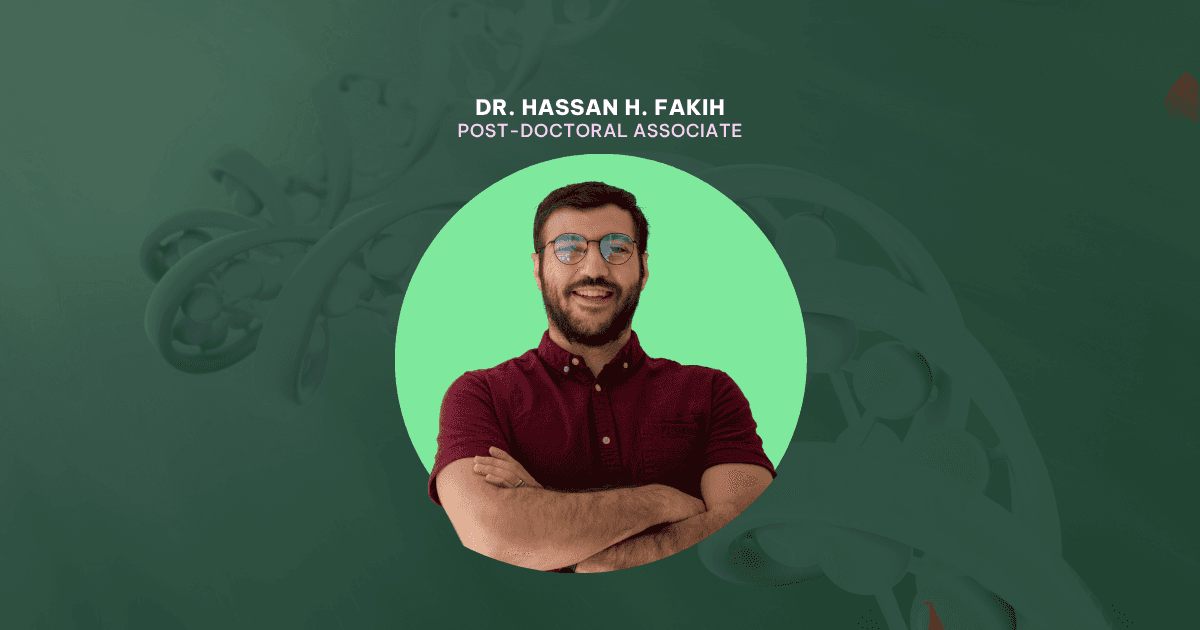
In this interview, Dr. Hassan H. Fakih, a specialist in genetic medicines, shares his perspective on the evolution of the field, the most promising scientific advances, and the challenges that remain in bringing these innovative therapies from bench to bedside.
The opinions expressed in this interview are solely those of Dr. Hassan Fakih and do not represent those of his employer or affiliated organizations.
Thank you, Dr. Fakih, for agreeing to this interview. To start, could you briefly introduce yourself and your area of expertise in genetic medicines?
Sure! My name is Hassan Fakih, and I am scientist in the field of genetic medicines for the past 10 years. I obtained my PhD in chemistry and chemical biology from McGill University (Hanadi Sleiman Lab), which was focused on improving drug delivery of RNA therapeutics, and I have been a postdoctoral Associate at the RNA Therapeutics Institute (Anastasia Khvorova lab). Currently, my work focuses on using chemistry and chemical innovation to develop RNA therapeutics for a range of genetic diseases, with a focus on cardiometabolic disorders, oncology and neurological diseases.
Gene therapies and genetic medicines are rapidly evolving fields. How would you describe the current landscape and the main scientific advances in recent years?
The field indeed has been rapidly growing at astronomical speeds. Following the foundational innovation in chemical stabilization of these drugs that took about 15 years, and the initial wave of solving the delivery of the drugs to the right location, the landscape is now rapidly expanding to apply these genetic medicines to various diseases, targets of interest, and beyond. The initial wave of innovation allowed for genetic medicines to largely address liver diseases as the delivery to liver was resolved, but now the current innovation happening is expanding the reach to extrahepatic tissue, with strides being done in muscle, central nervous system (locally or blood-brain-barrier crossing systemically), skin, eye, and more!
Genetic medicines include a range of approaches, from DNA-based therapies to RNA-based technologies such as oligotherapeutics. Could you explain these different approaches and their potential impact on medicine?
To understand genetic medicine, we look to the Central Dogma of Molecular Biology: DNA holds the master “code”, which is transcribed into an RNA "message," which is then translated into “function” via proteins.
You can think of it as a library:
DNA: The permanent reference book containing the original (instructions)
RNA: The photocopy of a specific page (the message) sent to the factory floor
Proteins: The final products (the effectors) that carry out the work.
Genetic medicines are revolutionary because they can intervene at every stage of this process.
1. DNA-Based Therapies: Addressing the Blueprint
These therapies work at the foundation of the genetic code:
Gene Addition: Introducing a functional copy of a gene to compensate for one that is missing or defective.
Gene Editing: Using technologies like CRISPR to "find and replace" errors directly within the genome, potentially offering a permanent cure by restoring healthy gene expression.
2. Oligotherapeutics: Modulating the Message
Oligonucleotides ("oligos") are short, synthetic strands of DNA or RNA. They are highly versatile and can be categorized by how they handle the genetic "message":
siRNA and ASOs: These primarily target mRNA. siRNA (small interfering RNA) and certain ASOs (antisense oligonucleotides) usually work by "silencing" or deleting a message that contains an error, preventing a harmful protein from being made.
Splice-switching ASOs: These can "edit" the mRNA message as it is being processed, bypassing mutations to produce a functional version of the protein.
3. Aptamers: Controlling the Effectors
Aptamers are a unique class of oligos that don't act on the genetic code itself. Instead, they fold into complex 3D shapes that allow them to bind directly to target proteins, much like an antibody. By binding to these effectors, they can inhibit or alter their function to treat disease.
Together, these approaches enable a move toward truly personalized medicine, where therapies can be custom-tailored to a patient's unique genetic profile to provide more effective and potentially curative outcomes. The shift toward genetic medicine represents a move from treating symptoms to addressing the root cause of disease
Which therapeutic areas are currently seeing the most promising developments in gene therapies or genetic medicines?
Genetic medicine has entered a "delivery-first" era, characterized by three major clinical breakthroughs. In the CNS, the field has achieved a historic milestone with the first FDA approval of a transferrin receptor-mediated BBB-crossing technology (AVLAYAH); alongside this, lipid-siRNA conjugates are showing high precision in targeting the brain’s endothelial and choroid plexus barriers to treat neurovascular and inflammatory disorders, as well as favorable distribution and activity when administered directly in the CNS.
The cardiometabolic landscape is shifting toward high-prevalence chronic diseases, with "programmable" siRNA silencers like lepodisiran and solbinsiran demonstrating the power to reduce Lp(a) and ANGPTL3 by over 90% with twice-yearly dosing.
Finally, muscular disorders are being transformed by Antibody-Oligonucleotide Conjugates (AOCs), which overcome the historic hurdle of systemic muscle distribution by utilizing muscle-tropic shuttles to deliver potent gene-silencing payloads directly to skeletal and cardiac tissues.
From a clinical research perspective, what are the main challenges when designing and conducting clinical trials for these therapies?
I would argue that sometimes it is difficult to conduct clinical trials for certain diseases with either a very vulnerable population, or a disease with limited patient numbers, both hindering the powering of the clinical trial and strong conclusions sstatistacially. Other challenges are sometimes the exhaustive amount of clinical trials that need to be redone for the same modality but just for adifferent target. For example, if you are using a galnac siRNA conujgate for two different genetic targets, the only difference is the siRNA sequence, but the chemical properties of the drug are largely the same (Driven by the chemistry of the molecule and not the RNA sequence) yet regulators still ask for a complete redo of the clinical trial proceess which sometimes is counterproductive and wasteful of resources.
To focus on these two:
1. The "Small Population" Hurdle: The New "Plausible Mechanism" Shift
Statistical powering is the "Achilles' heel" of ultra-rare disease trials. Traditionally, if you couldn't get a large enough number of participants for the Randomized Controlled Trial, you were stuck.
The 2026 Solution: Just last month (February 2026), the FDA issued the Plausible Mechanism Framework draft guidance. It specifically allows for the approval of individualized RNA and gene-editing therapies based on a "plausible" biological mechanism rather than traditional large-scale clinical outcomes. This could be a huge game-changer for the field.
The Impact: This means for a disease with only 10–20 patients globally, regulators are now increasingly accepting surrogate biomarkers (like protein expression levels) and Natural History Controls (comparing a patient to their own predicted decline) instead of requiring a placebo group, which is often ethically impossible in vulnerable populations.
2. The "Platform vs. Product" Trap
As I mentioned for the example of the GalNAc-siRNA chemistry, the platform vs product trap is one of the biggest frustrations. Treating a different sequence as a completely "new" drug feels like requiring a car manufacturer to crash-test every vehicle twice just because they changed the paint color.
Platform Technology Designation (PTD): The FDA has recently begun implementing the Platform Technology Designation program. This allows a sponsor to "lock in" the safety and manufacturing data for the GalNAc-scaffold itself.
The Goal: For subsequent targets using the same chemistry, sponsors can now leverage "prior knowledge." While we aren't at "plug-and-play" approval yet, the requirement for full Phase 1 toxicity for every new sequence is beginning to thaw, provided the chemical modifications (on the RNA) remain identical.
3. Other Critical Limitations worth mentioning:
Immunogenicity: Even with "stealth" chemistries, patients can develop Anti-Drug Antibodies (ADAs) against the delivery vehicle (LNPs) or the viral capsid (AAV). This can neutralize the drug before it ever hits the target.
Long-term durability: For chronic siRNA therapies, we still don't fully understand the impact of 20+ years of continuous RISC loading. For gene editing, the risk of off-target mutations accumulating over decades remains a primary safety concern.
CMC manufacturing: Moving from a 1-gram "lab scale" to a 1-kilogram "commercial scale" for complex conjugates is notoriously difficult. The purity requirements for oligos are much stricter than for small molecules, often leading to massive batch failures.
Looking ahead, what developments or breakthroughs do you expect to see in the next five to ten years in this field?
Looking ahead, several key developments are likely to shape the field over the next five to ten years. First, advances in blood–brain barrier (BBB) crossing delivery systems should enable the administration of oligotherapies to the central nervous system without the need for invasive direct injections into the CNS (brain or spinal cord).
At the same time, multi-gene targeting platforms are expected to mature, making it possible to silence multiple genes and modulate several disease pathways simultaneously—an important step toward addressing complex disorders. In oncology, ongoing chemical innovations may finally translate into tangible clinical success for oligotherapeutics.
Lastly, manufacturing costs, which currently limit broader applications (particularly for large patient populations such as those with cardiovascular diseases), are likely to decrease as synthesis, scale-up processes, and CMC capabilities continue to improve.
Thank you very much, Dr. Fakih, for sharing these valuable insights and for such a rich and informative perspective on the field.